Service 02 / 05
Psychotherapy
A safe space to understand your thoughts, feelings and behaviors — and to build the self-awareness and coping skills to move forward.
Who it's for
Children
Adolescents
Adults
Couples
Families
Our approaches
Your psychologist uses one or more of these, depending on your needs.
CBT
Cognitive Behavioral Therapy
A talking therapy that teaches coping skills and examines how thoughts, beliefs and attitudes shape feelings and actions.
Creative
Art & drama therapy
A non-verbal path to explore emotions and experiences through painting, sculpting and role play.
Together
Group therapy
Healing alongside others with shared experiences, guided by one or more of our therapists.
When to seek help
You don't need a diagnosis to start therapy. These are common reasons people reach out.
Emotional distress
Relationship issues
Trauma or loss
Persistent behavioral patterns
Personal growth
What we help with
Anxiety
Depression
Emotional trauma
PTSD
ADHD
Bipolar disorder
Eating disorders
Grief
Relationship difficulties
Your specialists

Joy Hani, PhD (c)
Licensed Clinical Psychologist
CBT, art & drama therapy — trauma, grief, relationships. Conducts all psychometric testing.
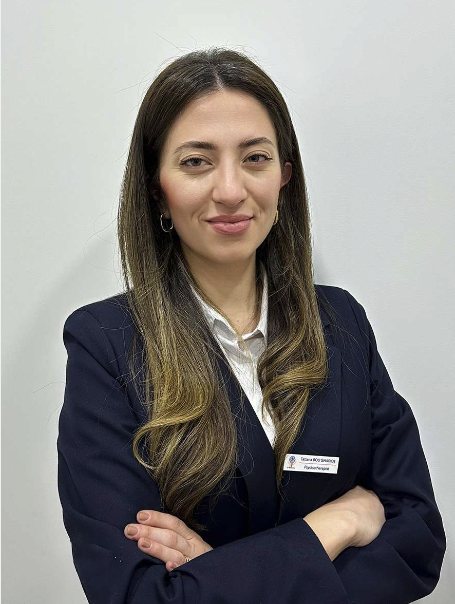
Tatiana Bou Gharios
Licensed Clinical Psychologist
Master's degree in psychotherapy.
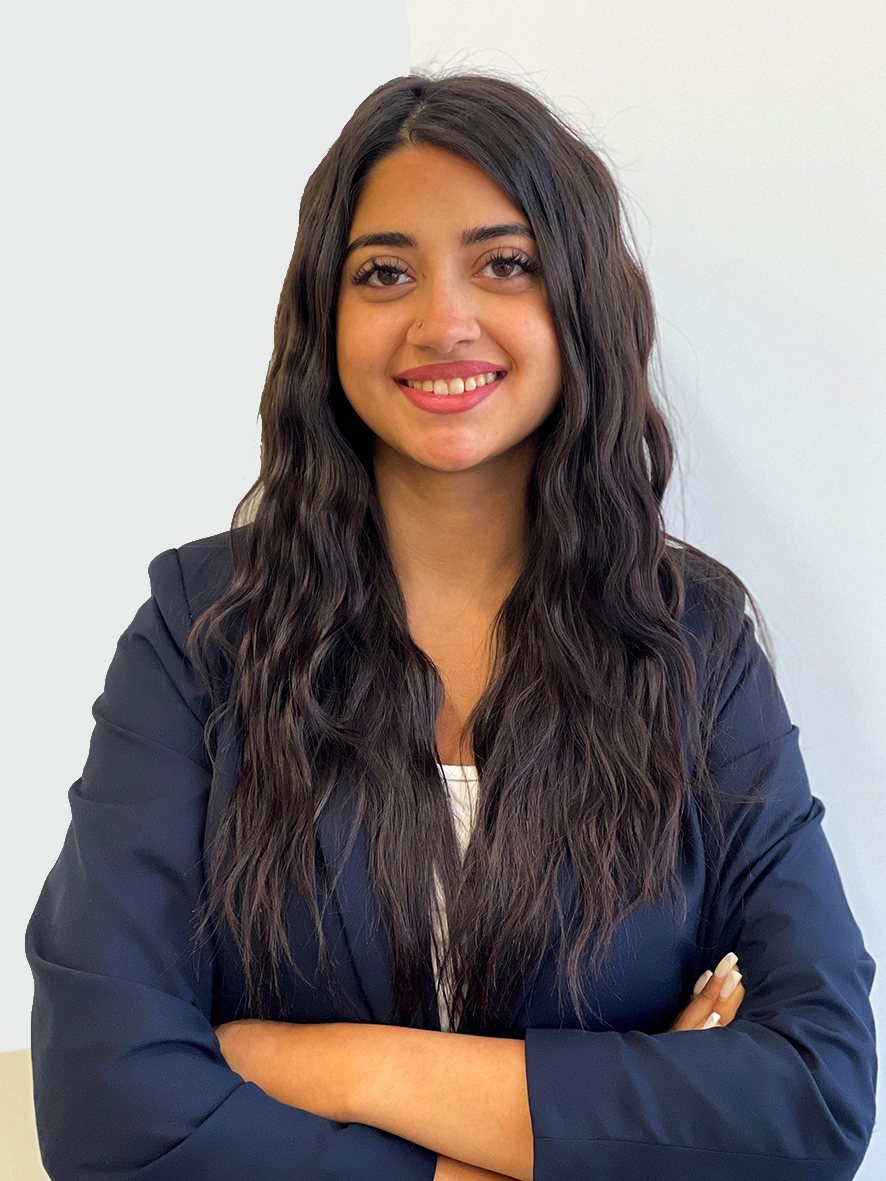
Nour Assaf
Licensed Clinical Psychologist
Coping strategies, self-awareness and personal growth.
Followed by the whole team
Even when you see one specialist, your case is reviewed in regular team meetings — so every part of your care fits together.